
Stop Chasing Keywords: What SEO Actually Looks Like in 2026
Most websites are still creating content the old way. They research keywords, place them throughout the article, follow outdated SEO checklists, and expect rankings to improve automatically. But after publishing dozens of blog posts, the traffic still stays flat. The problem is not always the content quality. The real issue is that search engines have evolved, while many SEO strategies have not.
SEO in 2026 is no longer about repeating keywords or publishing endless articles every week. Google has become much better at understanding what users actually want when they search. Instead of rewarding pages that simply match keywords, search engines now prioritize pages that genuinely solve problems and provide a better experience for users.
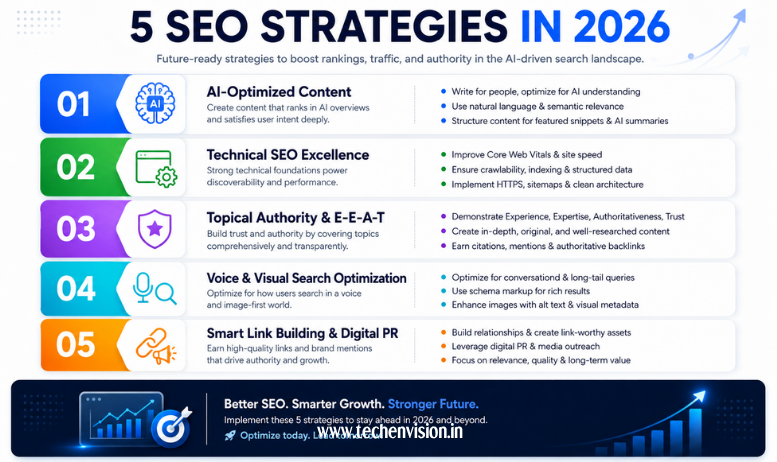
This shift has changed the entire way content should be written. Businesses that still focus only on keyword density are struggling to grow, while websites that focus on usefulness, clarity, and trust are gaining visibility consistently. Modern SEO is now built around user intent, content experience, technical performance, and authority.
Google Now Focuses on Search Intent
Search intent has become one of the most important parts of SEO. When someone searches for something online, Google tries to understand the reason behind that search instead of only matching exact words. For example, if a person searches for “best running shoes for flat feet,” they are probably looking for comparisons, reviews, buying advice, and recommendations. They are not searching for a generic homepage or a random article stuffed with keywords.
Because of this, content creators must think beyond keywords and focus on the actual problem users want solved. A successful page today is one that directly answers the searcher’s need in the clearest and fastest way possible. Websites that align content with user intent usually perform much better than websites trying to force keywords into every paragraph.
Many businesses have improved rankings simply by rewriting titles, improving page structure, and answering user questions more clearly. Sometimes the solution is not creating more content, but creating more relevant content.
Content Experience Matters More Than Ever
Publishing content alone is no longer enough. Readers today have shorter attention spans and higher expectations. If a page feels confusing, difficult to read, or overloaded with unnecessary information, users leave quickly. Search engines notice these engagement signals and use them to evaluate content quality.
That is why modern SEO content must focus heavily on readability and user experience. Articles should feel natural, organized, and easy to consume. Strong formatting, meaningful headings, shorter paragraphs, and smooth transitions all help keep readers engaged longer.
Helpful content performs better because it respects the reader’s time. Instead of trying to impress search engines, the goal should be helping users find answers without frustration. Websites that create clear and genuinely useful content tend to build stronger authority over time.
Content quality is no longer measured only by word count. A single valuable article can often outperform dozens of weak posts that provide little real insight.
Technical SEO Has Become Essential
Even the best-written article can struggle if the website itself performs poorly. Technical SEO is now a critical part of search visibility because user experience depends heavily on website performance.
A slow-loading website creates frustration immediately, especially for mobile users. Most visitors will not wait several seconds for a page to load, and Google understands that behavior. Websites that load faster generally provide a better experience, which can positively influence rankings.
Mobile optimization is equally important because most searches now happen on smartphones. Websites must display correctly on smaller screens, maintain readable layouts, and allow users to navigate easily without zooming or struggling to interact with the page.
Core Web Vitals have also become important ranking signals. Google measures factors such as loading speed, responsiveness, and visual stability to determine whether users are having a smooth experience on the website.
Many businesses focus only on content creation while ignoring technical improvements. However, fixing issues like image optimization, slow hosting, broken layouts, and unnecessary scripts can significantly improve both rankings and user satisfaction.
Backlinks Are Still Powerful – But Quality Wins
Backlinks continue to play an important role in SEO because they help search engines evaluate trust and authority. However, the quality of backlinks matters far more today than the quantity.
Years ago, websites could rank using large numbers of low-quality links from unrelated sources. Those tactics are no longer effective and can even lead to penalties. Search engines are much better at identifying manipulative link-building strategies.
Modern SEO focuses on earning links naturally by creating content that people genuinely want to reference. Strong backlinks usually come from industry websites, trusted publications, useful resources, original research, or valuable insights.
A single backlink from a respected website can provide more value than hundreds of weak links from irrelevant sources. That is why businesses should focus on building authority and relationships instead of chasing large backlink numbers.
AI Is Changing SEO, But Human Expertise Still Matters
Artificial intelligence has completely transformed content creation. AI tools can help businesses generate ideas, organize outlines, improve workflows, and speed up research. Used correctly, these tools can increase efficiency significantly.
However, there is also a growing amount of low-quality AI-generated content online. Many articles sound technically correct but feel generic, repetitive, and emotionally empty. They often lack real experience, unique insight, and human perspective.
Google is becoming better at identifying low-value AI content, which is why human expertise remains extremely important. The most successful content in 2026 combines AI efficiency with genuine human understanding.
Readers trust content that feels authentic and experience-driven. Real examples, personal observations, industry expertise, and clear storytelling create stronger engagement and credibility than purely automated writing.
AI should support the content process, not completely replace human creativity.
Final Thoughts
SEO in 2026 is no longer about finding shortcuts or manipulating algorithms. Search engines now reward websites that focus on helping users, improving experiences, and building trust over time.
Keywords still matter, but they are only one small part of a much larger strategy. Businesses that continue relying on outdated SEO methods will struggle to compete as search engines become more advanced.
The websites that succeed today are the ones creating genuinely useful content, understanding user intent, improving technical performance, and building real authority in their industry. Modern SEO is ultimately about becoming the best answer for the people searching online.